Introduction to Private Wealth Management
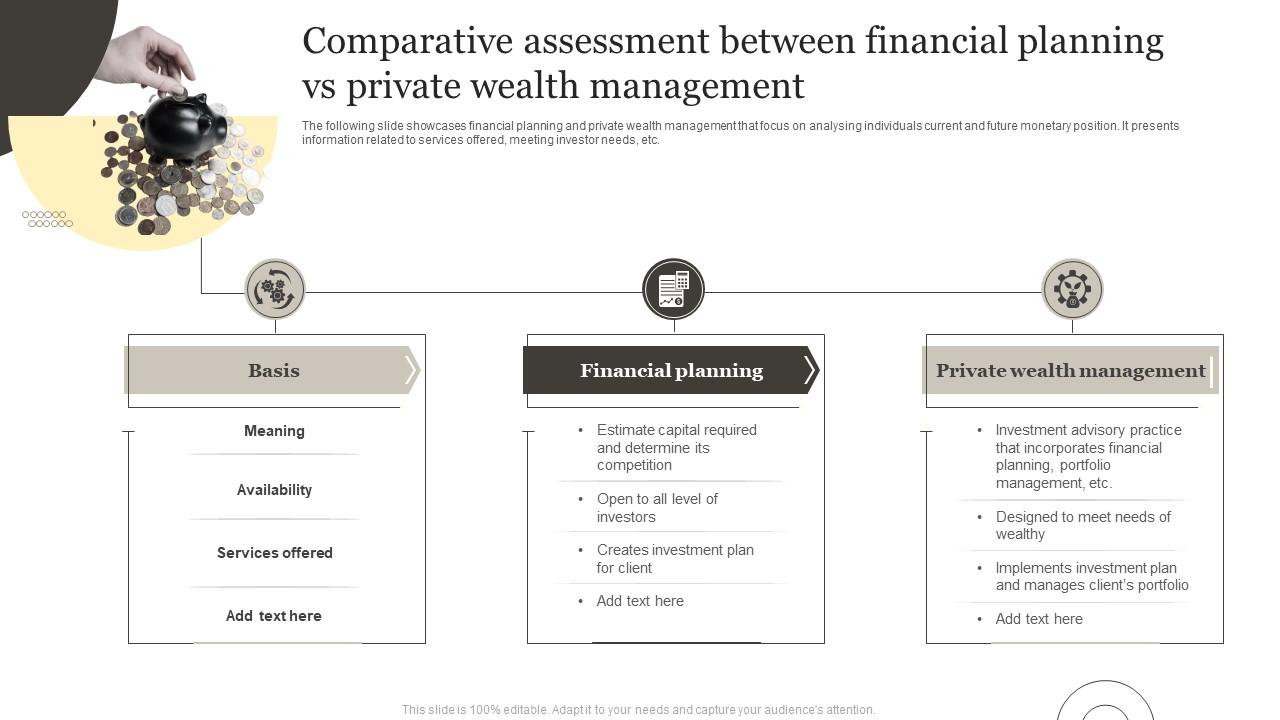
Private wealth management involves the professional management of an individual's finances, investments, and other assets. This specialized service is tailored to high-net-worth individuals who have complex financial needs and require personalized strategies to grow and protect their wealth effectively.
Key Objectives of Private Wealth Management
- Preservation of Wealth: One of the primary objectives of private wealth management is to preserve and protect the client's wealth for future generations.
- Wealth Growth: Wealth managers aim to maximize the growth of the client's assets through strategic investments and financial planning.
- Risk Management: Managing and mitigating risks associated with investments and financial decisions to ensure the long-term financial security of the client.
- Tax Efficiency: Implementing tax-efficient strategies to minimize tax liabilities and optimize the client's overall financial plan.
Importance of Seeking Professional Advice
Seeking professional advice from wealth managers is crucial for effectively managing wealth due to their expertise, experience, and access to a wide range of financial tools and resources. Wealth managers can provide personalized solutions tailored to the client's specific financial goals, risk tolerance, and time horizon, helping them navigate complex financial markets and achieve long-term financial success.
Fee-Only vs. Commission-Based Models

In the realm of private wealth management, there are two primary compensation models: fee-only and commission-based. Each model comes with its own set of advantages and disadvantages, impacting how financial professionals interact with their clients and the potential implications for the clients themselves.
Advantages and Disadvantages of Fee-Only Models
Fee-only wealth management operates on a transparent fee structure, where clients pay a set fee for the services provided by the financial advisor. This model eliminates conflicts of interest that may arise from commissions on financial products. By removing incentives to push certain products, fee-only advisors can provide unbiased recommendations tailored to the client's best interests.
However, the main disadvantage of fee-only models is the potentially higher cost for clients, as they are paying for the advisor's time and expertise directly.
Commission-Based Models and Implications for Clients
On the other hand, commission-based models involve advisors earning money through the sale of financial products, such as mutual funds or insurance policies. While this model may seem appealing due to potentially lower upfront costs for clients, it can lead to conflicts of interest.
Advisors may recommend products that offer higher commissions, even if they are not the best fit for the client's financial situation. This can result in clients receiving biased advice that may not align with their long-term goals.Overall, the choice between fee-only and commission-based models in private wealth management ultimately depends on the client's preferences, financial situation, and comfort level with potential conflicts of interest.
It is essential for clients to understand how each model works and the implications they may have on their financial well-being before selecting a wealth management advisor.
Choosing Between Fee-Only and Commission-Based Models
When deciding between fee-only and commission-based models for private wealth management, clients should consider several key factors to make an informed choice that aligns with their financial goals and preferences.
Transparency and Conflicts of Interest
One important factor to consider is the level of transparency and potential conflicts of interest associated with each model. Fee-only advisors are compensated solely by the fees paid by clients, which can reduce the risk of conflicts of interest that may arise in commission-based models where advisors earn commissions by selling specific financial products
Clients may prefer fee-only models for greater transparency and alignment of interests.
Cost-Effectiveness
Clients should also evaluate the cost-effectiveness of fee-only and commission-based models. Fee-only advisors typically charge a flat fee or a percentage of assets under management, providing clarity on the costs involved. In contrast, commission-based advisors may earn commissions on transactions, potentially leading to higher costs for clients.
Understanding the fee structure and assessing the overall costs can help clients determine the most cost-effective option.
Level of Service and Personalized Attention
Another factor to consider is the level of service and personalized attention offered by each model. Fee-only advisors may focus on holistic financial planning and provide ongoing support tailored to the client's individual needs. On the other hand, commission-based advisors may prioritize transactions and product sales, which could impact the depth of personalized service provided.
Clients seeking a comprehensive approach and personalized guidance may lean towards fee-only models for a more customized wealth management experience.
Finding Private Wealth Management Services Near Me

Finding reputable private wealth management services in your local area is crucial for ensuring your financial security and growth. Conducting thorough research and due diligence before selecting a wealth management firm is essential to make an informed decision. When choosing a wealth manager, consider key factors such as credentials, experience, and track record to ensure you are entrusting your finances to a capable and trustworthy professional.
Steps to Find Reputable Private Wealth Management Services
- Ask for recommendations from friends, family, or colleagues who have experience with wealth management services.
- Utilize online resources and directories to search for wealth management firms in your area.
- Check for certifications and accreditations that demonstrate the expertise and credibility of the wealth managers.
- Read reviews and testimonials from clients to gauge the satisfaction level and performance of the wealth management firm.
Importance of Conducting Due Diligence
- Ensures that the wealth management firm has a solid reputation and ethical practices.
- Helps you understand the services offered and the fees involved, preventing any surprises or hidden costs.
- Gives you confidence in your decision and peace of mind knowing that your finances are in good hands.
Key Factors to Consider When Choosing a Wealth Manager
- Look for wealth managers with relevant credentials such as Certified Financial Planner (CFP) or Chartered Financial Analyst (CFA) designation.
- Consider the experience of the wealth manager and their track record in managing investments and achieving financial goals for clients.
- Evaluate the communication style and responsiveness of the wealth manager to ensure a smooth and transparent relationship.
Detailed FAQs
What are the key differences between fee-only and commission-based wealth management models?
Answer: Fee-only models charge a flat fee for their services while commission-based models earn commissions on financial products they sell.
How can clients decide between fee-only and commission-based models?
Answer: Clients should consider factors like transparency, conflicts of interest, and the level of personalized attention offered by each model.
What steps can individuals take to find reputable private wealth management services nearby?
Answer: Conduct thorough research, check credentials, experience, and track record of wealth managers in the local area.