Understanding ESG and Impact Investing
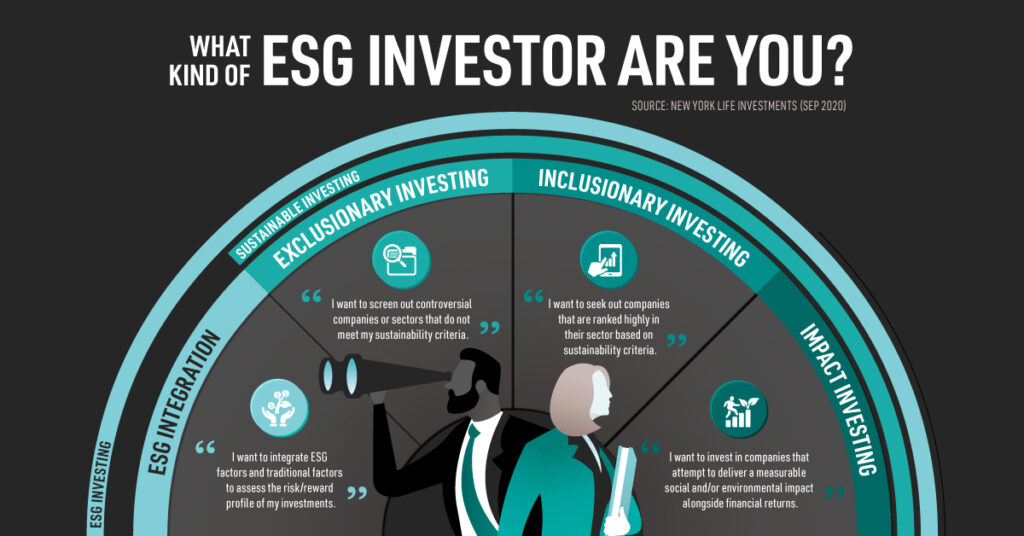
ESG (Environmental, Social, and Governance) investing is a strategy that considers a company's sustainability and ethical practices in addition to traditional financial metrics. It focuses on investing in companies that are committed to positive environmental and social impact while maintaining strong governance practices.Impact investing, on the other hand, goes a step further by intentionally seeking to generate positive, measurable social or environmental impact alongside financial returns.
This type of investing aims to address specific social or environmental issues through investments in companies, organizations, or funds that are aligned with the investor's values.
ESG Criteria and Influence on Investment Decisions
ESG criteria can vary depending on the industry and investor preferences, but some common factors include:
- Environmental criteria: Assessing a company's impact on the environment through factors like carbon footprint, waste management, and energy efficiency.
- Social criteria: Evaluating a company's relationships with employees, customers, suppliers, and the communities in which they operate. This can include diversity and inclusion practices, labor standards, and community engagement.
- Governance criteria: Examining the leadership structure, executive compensation, shareholder rights, and internal controls of a company to ensure transparency and accountability.
These ESG factors play a significant role in influencing investment decisions as they provide a more holistic view of a company's performance beyond just financial indicators. Investors who prioritize ESG considerations seek to align their portfolios with their values and contribute to positive societal and environmental outcomes.
Importance of Finding a Wealth Management Advisor
Finding a wealth management advisor specializing in ESG and impact investing can play a crucial role in guiding individuals towards sustainable and responsible investment options. These advisors are equipped with the expertise and knowledge needed to navigate the complex landscape of ESG and impact investing, helping clients align their financial goals with their values.
Role of a Wealth Management Advisor in ESG and Impact Investing
Wealth management advisors specializing in ESG and impact investing act as trusted partners for individuals looking to make a positive impact through their investment choices. They provide personalized guidance, conduct thorough research on sustainable investment opportunities, and help clients integrate ESG factors into their portfolios.
Importance of Working with a Specialized Advisor
It is crucial to work with an advisor specializing in ESG and impact investing because they have a deep understanding of the environmental, social, and governance factors that influence investment decisions. These advisors can help clients identify companies and funds that align with their values while also delivering competitive financial returns.
Benefits of Having a Specialized Advisor
- Access to specialized expertise in sustainable investing strategies
- Customized investment solutions tailored to individual values and financial goals
- Ability to navigate the evolving landscape of ESG and impact investing
- Potential for long-term financial growth while making a positive impact on society and the environment
Finding a Wealth Management Advisor Near Me
Finding a local wealth management advisor specializing in ESG and impact investing can be a crucial step towards aligning your investments with your values. Here are some tips to help you in the search process:
Factors to Consider When Looking for an Advisor Specializing in ESG and Impact Investing
- Expertise: Look for advisors who have specific knowledge and experience in ESG and impact investing to ensure they can provide you with the best guidance.
- Reputation: Research the advisor's reputation in the industry, read reviews, and seek recommendations from trusted sources.
- Alignment of Values: Make sure the advisor's values align with yours when it comes to sustainable and responsible investing practices.
- Services Offered: Consider the range of services the advisor provides, such as portfolio analysis, investment strategy development, and ongoing monitoring.
- Fee Structure: Understand the advisor's fee structure and ensure it is transparent and aligns with your budget and investment goals.
Tips on How to Narrow Down the Options and Select the Right Advisor
- Interview Multiple Advisors: Meet with several advisors to compare their approaches, communication styles, and how well they understand your financial goals.
- Ask About Past Performance: Inquire about the advisor's track record with ESG and impact investments to gauge their success in this area.
- Request a Customized Plan: A good advisor will create a personalized investment plan tailored to your values, risk tolerance, and financial objectives.
- Check Credentials: Verify the advisor's qualifications, certifications, and licenses to ensure they are qualified to handle your investments.
Evaluating ESG and Impact Investing Strategies

When it comes to evaluating ESG (Environmental, Social, and Governance) and impact investing strategies, it is essential to compare the different approaches available in the market. Understanding the performance, risks, and benefits associated with these strategies is crucial for making informed investment decisions.
Comparison of ESG and Impact Investing Strategies
- ESG Integration: This strategy involves considering environmental, social, and governance factors alongside financial analysis to identify risks and opportunities.
- Impact Investing: Focuses on generating positive social or environmental impact alongside financial returns, often targeting specific sectors or causes.
- Thematic Investing: Investing in companies or projects aligned with specific themes such as renewable energy, healthcare innovation, or gender equality.
Performance of ESG and Impact Investments
- Studies have shown that companies with strong ESG practices tend to outperform their counterparts over the long term.
- Impact investments have the potential to deliver competitive financial returns while creating positive social or environmental outcomes.
- It is essential to conduct thorough research and due diligence to assess the performance of ESG and impact investments in your portfolio.
Risks and Benefits of ESG and Impact Investing
- Risks: ESG and impact investments may face unique risks such as regulatory changes, reputational risks, and market volatility.
- Benefits: These strategies can contribute to long-term sustainability, attract socially conscious investors, and align with personal values and beliefs.
- Investors should carefully assess the risk-return profile of ESG and impact investments to ensure they align with their financial goals and risk tolerance.
FAQ Guide
How can I find a wealth management advisor near me specializing in ESG and impact investing?
You can start by researching online, asking for referrals from friends or colleagues, and checking with local financial institutions that focus on sustainable investing.
What are the benefits of working with a specialized advisor in ESG and impact investing?
A specialized advisor can provide in-depth knowledge of sustainable investment strategies, help align your financial goals with your ethical values, and offer personalized guidance tailored to your needs.
How do ESG criteria influence investment decisions?
ESG criteria assess the environmental, social, and governance factors of companies, guiding investors to make informed decisions that consider sustainability and ethical practices.