Understanding the Great Wealth Transfer

The Great Wealth Transfer refers to the significant shift of assets and wealth from one generation to the next, as the baby boomer generation prepares to pass on their wealth to their heirs. This transfer is estimated to be in the trillions of dollars over the coming decades, making it a crucial financial event.
Key Factors Driving the Need for Wealth Management Advice
- Rising life expectancy leading to longer wealth-holding periods.
- Complex family dynamics and diverse financial goals among heirs.
- Tax implications and changing regulations affecting inheritance.
- Increased focus on sustainable and impact investing by younger generations.
Challenges Associated with Transferring Wealth
- Ensuring the preservation and growth of wealth across generations.
- Managing intergenerational conflicts and differing financial priorities.
- Addressing liquidity needs and tax-efficient wealth transfer strategies.
- Educating heirs on financial literacy and responsible wealth management.
Successful Strategies for Managing Wealth During Transition
- Establishing a comprehensive estate plan with the help of legal and financial advisors.
- Utilizing trusts and other wealth transfer vehicles to minimize tax liabilities.
- Engaging in open communication with heirs to discuss values, goals, and expectations.
- Diversifying investment portfolios to mitigate risk and maximize long-term returns.
Importance of Financial Education for the Next Generation
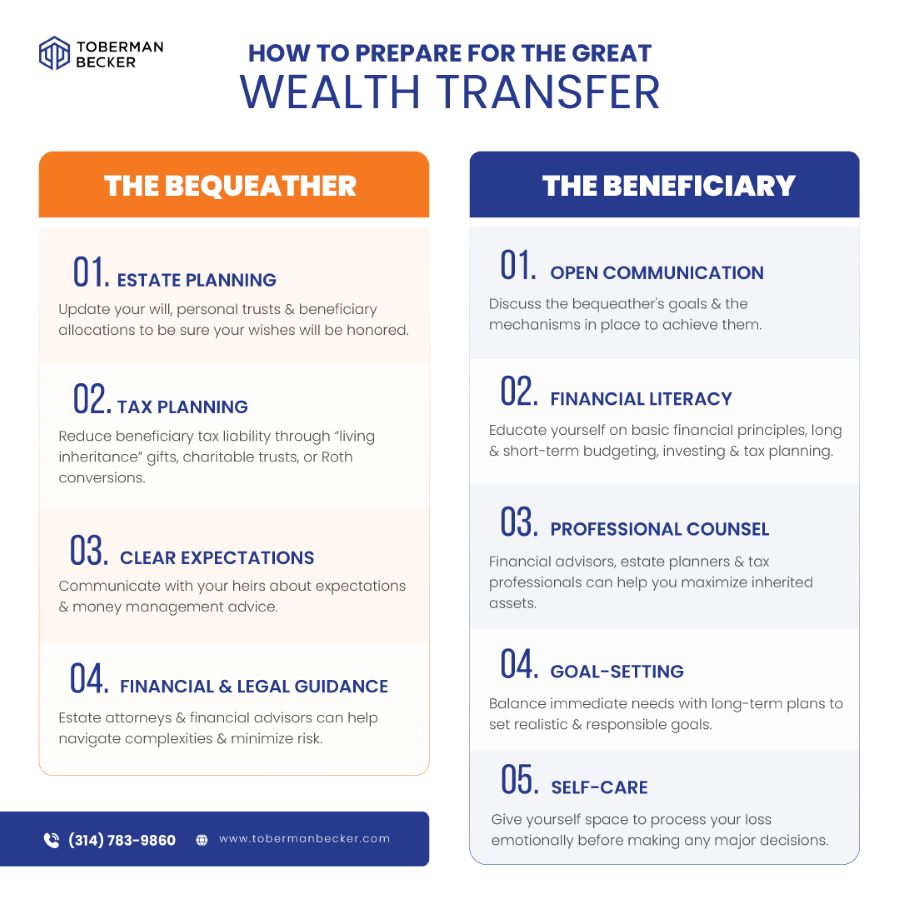
Financial literacy is crucial for the younger generation as they navigate the complexities of wealth management. Educating heirs about financial concepts not only prepares them to inherit wealth responsibly but also equips them with the necessary skills to preserve and grow their assets effectively.
Role of Education in Wealth Management
Financial education plays a vital role in ensuring that heirs understand the value of money, the risks involved in managing wealth, and the importance of making informed decisions. By providing young individuals with the knowledge and skills needed to handle finances wisely, they can avoid common pitfalls and make sound financial choices.
Strategies for Educating the Next Generation
- Start Early: Introduce basic financial concepts to children at a young age to build a strong foundation for future learning.
- Interactive Learning: Engage young heirs in hands-on activities or games that teach financial principles in a fun and interactive way.
- Mentorship: Encourage young individuals to learn from experienced family members or financial advisors to gain practical insights into wealth management.
- Real-Life Examples: Use real-life scenarios or case studies to illustrate the impact of financial decisions and the importance of long-term planning.
Effective Financial Education Plan
- Assessment: Identify the financial knowledge and skills that young heirs need to develop based on their current understanding.
- Customization: Tailor educational programs to suit the individual learning styles and preferences of each heir.
- Progressive Learning: Gradually introduce more complex financial topics as heirs grow older and gain a better understanding of basic concepts.
- Feedback and Evaluation: Provide opportunities for young individuals to practice what they have learned and receive feedback to improve their financial acumen.
Estate Planning and Wealth Transfer Strategies

Estate planning plays a crucial role in wealth management as it ensures that your assets are transferred to your heirs according to your wishes. It involves creating a plan for the distribution of your wealth, taking into consideration factors such as taxes, family dynamics, and financial goals.
Importance of Estate Planning
Estate planning allows you to specify how your assets will be divided among your beneficiaries, avoiding potential conflicts and uncertainties. It also helps in minimizing estate taxes and ensuring a smooth transfer of wealth to the next generation.
Different Wealth Transfer Strategies
- Trusts: Trusts are legal arrangements that allow you to transfer assets to your beneficiaries while maintaining control over how and when they receive the assets.
- Wills: Wills are legal documents that Artikel how your assets should be distributed after your death. They are essential for ensuring that your wishes are followed.
- Gifting: Gifting assets to your heirs during your lifetime can help reduce your taxable estate and provide financial support to your loved ones.
Tax Implications of Wealth Transfer
Estate planning involves considering the tax implications of transferring wealth to heirs. It is essential to understand the impact of estate taxes, gift taxes, and inheritance taxes on your estate. Utilizing strategies such as gifting, charitable giving, and trusts can help minimize tax burdens.
Successful Estate Planning Examples
Warren Buffett's estate plan includes gifting a significant portion of his wealth to charity, reducing his taxable estate and leaving a philanthropic legacy.
The use of a family trust by the Rockefeller family has allowed for the preservation and growth of wealth across generations while providing for the family's financial security.
Collaborating with Financial Advisors and Professionals
When it comes to managing and transferring wealth during the Great Wealth Transfer, collaborating with financial advisors and professionals is essential. These experts play a crucial role in providing guidance, expertise, and strategic advice to ensure the smooth transition of assets and wealth to the next generation.
Role of Financial Advisors in Wealth Management
Financial advisors act as trusted partners who help individuals and families navigate the complexities of wealth management. They offer personalized financial planning, investment strategies, and risk management solutions tailored to specific goals and circumstances.
Key Professionals to Collaborate With
- Estate Planners: These professionals assist in creating comprehensive estate plans that include wills, trusts, and other essential documents to facilitate the transfer of assets.
- Tax Advisors: Tax experts provide guidance on tax-efficient strategies to minimize tax liabilities during wealth transfer and ensure compliance with relevant laws.
- Legal Counsel: Lawyers specializing in estate planning and wealth transfer can help with legal matters, such as structuring trusts and addressing inheritance issues.
Benefits of Seeking Professional Advice
- Expertise: Financial advisors and professionals bring specialized knowledge and experience to develop effective wealth management strategies.
- Objectivity: Professionals offer unbiased advice and objective perspectives to help clients make informed decisions about their financial future.
- Peace of Mind: By working with experts, individuals can have peace of mind knowing that their wealth transfer plans are well-structured and optimized for their goals.
Tips for Choosing the Right Financial Advisor
- Evaluate Credentials: Look for certified financial planners (CFP) or advisors with relevant qualifications and experience in wealth management.
- Compatibility: Seek a financial advisor who understands your goals, values, and communication style to ensure a productive partnership.
- Transparent Fees: Inquire about fee structures and ensure that the advisor's compensation aligns with your expectations and budget.
- References and Reviews: Check client testimonials, reviews, and references to gauge the advisor's reputation and track record of success.
Key Questions Answered
What is the concept of the Great Wealth Transfer?
The Great Wealth Transfer refers to the massive transfer of wealth from one generation to the next.
How important is financial education for the younger generation in wealth management?
Financial education is crucial for the younger generation to effectively manage and grow inherited wealth.
What are some successful strategies for managing wealth during the transition to the next generation?
Successful strategies include proper estate planning, financial literacy education, and collaboration with professionals.