Understanding Private Wealth Management for Digital Asset Holders
Private wealth management involves personalized financial services and investment strategies tailored to high-net-worth individuals. For digital asset holders, managing wealth goes beyond traditional assets like stocks and real estate to include cryptocurrencies and other digital assets.
Unique Considerations for Managing Digital Assets
When it comes to digital assets, volatility, security, and regulatory uncertainty are key factors to consider. Unlike traditional assets, digital assets can experience rapid price fluctuations and require secure storage solutions to prevent loss or theft. Additionally, navigating the evolving regulatory landscape surrounding cryptocurrencies is crucial for compliance and risk management.
Importance of Integrating Crypto and Web3
Integrating cryptocurrencies and Web3 technologies into traditional wealth management strategies offers diversification opportunities and access to innovative investment options. By incorporating digital assets into a comprehensive wealth management plan, individuals can potentially enhance their portfolio performance and position themselves for growth in the rapidly evolving digital economy.
Finding a Suitable Private Wealth Management Firm

When it comes to choosing a private wealth management firm, there are several factors to consider to ensure that they are the right fit for your needs. It is essential to select a firm that not only understands traditional investment strategies but also has a solid grasp of digital assets like cryptocurrencies.
Working with a firm that is well-versed in the world of crypto and Web3 technology can provide numerous benefits and opportunities for growth in your investment portfolio.
Factors to Consider when Choosing a Private Wealth Management Firm
- Experience and Expertise: Look for a firm with a proven track record in managing digital assets and a deep understanding of the crypto market.
- Regulatory Compliance: Ensure that the firm follows all relevant regulations and has the necessary licenses to handle digital assets.
- Customized Investment Strategies: Choose a firm that can tailor their investment approach to align with your financial goals and risk tolerance.
- Technology and Security Measures: Verify that the firm utilizes secure technology and protocols to protect your digital assets from cyber threats.
Benefits of Working with a Firm that Understands Digital Assets
- Enhanced Portfolio Diversification: Investing in digital assets can provide additional diversification opportunities beyond traditional asset classes.
- Access to Emerging Markets: Digital assets offer exposure to innovative technologies and new markets that may not be accessible through traditional investments.
- Risk Management: A firm that understands digital assets can help mitigate risks associated with volatility and market fluctuations in the crypto space.
Comparison of Different Firms' Approaches to Integrating Crypto and Web3
Firm A focuses on actively managing crypto assets and leveraging blockchain technology for investment opportunities.
Firm B takes a more conservative approach by offering passive investment options in established cryptocurrencies.
Firm C specializes in decentralized finance (DeFi) strategies and investment vehicles within the Web3 ecosystem.
Services Offered by Private Wealth Managers for Digital Asset Holders
Private wealth managers offer a range of specialized services tailored to the unique needs and challenges faced by digital asset holders. These services go beyond traditional wealth management offerings to address the complexities of managing cryptocurrencies and other digital assets in the rapidly evolving landscape of Web3 technologies.
Financial Planning for Digital Asset Holders
- Assessment of Risk Tolerance: Private wealth managers work closely with digital asset holders to assess their risk tolerance levels and develop personalized investment strategies.
- Portfolio Diversification: Diversification is key to managing risk in the volatile world of digital assets. Wealth managers help clients build diversified portfolios across various asset classes.
- Tax Planning: Managing tax implications is crucial for digital asset holders. Wealth managers provide guidance on tax-efficient strategies to maximize returns and minimize liabilities.
- Estate Planning: Planning for the transfer of digital assets in the event of incapacity or death is essential. Wealth managers assist clients in creating comprehensive estate plans that include provisions for digital assets.
Specialized Services for Digital Asset Holders
- Crypto Portfolio Management: Wealth managers offer expertise in managing crypto portfolios, including asset selection, trading strategies, and risk management.
- Blockchain Consulting: Understanding the underlying technology of blockchain is crucial for digital asset holders. Wealth managers provide insights and guidance on blockchain projects and investments.
- Security Solutions: Safeguarding digital assets from cyber threats and fraud is a top priority. Wealth managers help clients implement robust security measures to protect their holdings.
- Ongoing Monitoring and Reporting: Wealth managers provide regular updates on portfolio performance, market trends, and regulatory changes to ensure clients are informed and empowered to make strategic decisions.
Risk Management Strategies for Digital Asset Portfolios
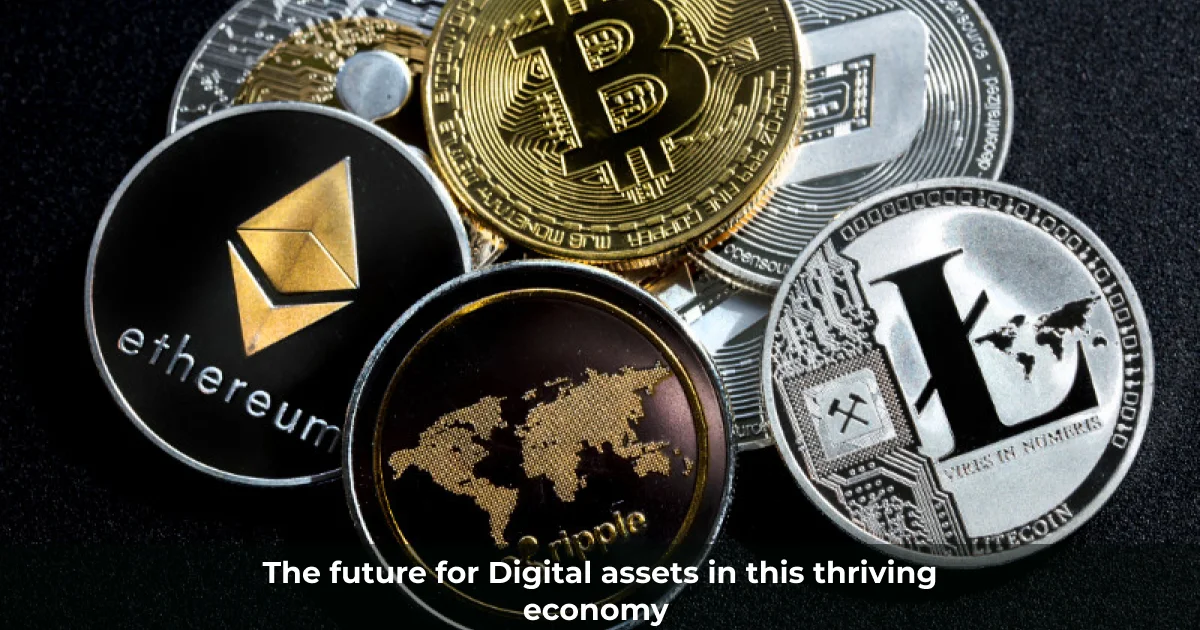
Cryptocurrency and digital assets are known for their volatility, making risk management a critical aspect of managing a portfolio in this space. Private wealth managers employ various strategies to mitigate risks and protect the investments of their clients.
Key Risk Factors Associated with Digital Assets
- Market Volatility: Digital assets are highly volatile, with prices fluctuating rapidly in short periods.
- Regulatory Risks: Regulations surrounding cryptocurrencies and blockchain technology are still evolving, posing risks to investors.
- Cybersecurity Threats: The decentralized nature of digital assets makes them vulnerable to hacking and cyber attacks.
- Liquidity Risks: Some digital assets may have lower liquidity, making it challenging to buy or sell them at desired prices.
Methods to Mitigate Risks in Crypto Investments
- Asset Allocation: Private wealth managers diversify the digital asset portfolio across different types of cryptocurrencies to reduce risk exposure.
- Due Diligence: Conducting thorough research and analysis before investing in a particular digital asset helps in identifying potential risks.
- Use of Stop-Loss Orders: Setting stop-loss orders helps in automatically selling a digital asset if its price reaches a specified level, limiting potential losses.
Role of Diversification in Managing Digital Asset Portfolios
Diversification is a key risk management strategy that involves spreading investments across different types of digital assets, industries, or geographic regions. By diversifying the portfolio, investors can reduce the impact of any single asset's poor performance on the overall portfolio.
It helps in balancing the risks and potential returns, enhancing the portfolio's stability over the long term.
Tax Planning and Compliance for Digital Asset Holders
When it comes to digital assets, tax planning and compliance are crucial aspects that every holder should consider. Failing to adhere to tax regulations can result in penalties and legal issues, making it essential to stay informed and proactive in managing your tax responsibilities.
Tax Considerations Specific to Digital Assets
- Digital assets are treated as property for tax purposes in many jurisdictions, which means that capital gains tax may apply to profits made from buying and selling cryptocurrencies.
- Income generated from mining, staking, or lending digital assets is also subject to taxation, and it's important to accurately report and pay taxes on these earnings.
- The tax treatment of hard forks, airdrops, and other crypto-related events can vary, so it's essential to seek professional advice to ensure compliance with tax laws.
Strategies for Tax Planning and Compliance in Crypto Investments
- Keep detailed records of all transactions involving digital assets, including purchases, sales, trades, and any income generated.
- Utilize tax optimization strategies such as tax-loss harvesting to offset capital gains and minimize tax liabilities.
- Consider structuring your investments through tax-efficient vehicles like IRAs or trusts to reduce tax exposure and maximize returns.
Importance of Staying Updated on Evolving Tax Regulations in the Crypto Space
Given the dynamic nature of the cryptocurrency market and evolving regulatory landscape, it's crucial for digital asset holders to stay informed about changes in tax laws that may impact their investments.
Failure to comply with tax regulations can result in severe consequences, including fines, penalties, and legal action.
By staying updated and seeking professional advice when needed, investors can ensure they are managing their tax obligations effectively and minimizing risks associated with non-compliance.
Estate Planning and Wealth Transfer for Digital Asset Holders
Estate planning for individuals holding digital assets can present unique challenges due to the complex nature of cryptocurrencies and other digital assets. Ensuring a smooth transfer of these assets to beneficiaries requires careful planning and consideration of various factors.
Challenges in Estate Planning for Digital Asset Holders
- Lack of clear regulations: The evolving regulatory landscape surrounding digital assets can make it difficult to determine how these assets will be treated in estate planning.
- Security concerns: Safeguarding private keys and access to digital wallets is crucial to prevent loss of assets during the estate transfer process.
- Ownership and control: Unlike traditional assets, digital assets may not have clear ownership structures or designated beneficiaries, complicating the transfer process.
Strategies for Transferring Digital Assets to Beneficiaries
- Include digital assets in your will: Clearly Artikel your wishes for the transfer of digital assets in your will, including instructions on how to access and transfer these assets.
- Establish a digital asset estate plan: Work with legal and financial advisors to create a comprehensive estate plan specifically tailored to address the unique characteristics of digital assets.
- Utilize multi-signature wallets: Implement multi-signature wallets that require multiple private keys to access digital assets, providing an added layer of security and control.
Role of Private Wealth Managers in Facilitating Wealth Transfer
- Expert guidance: Private wealth managers can provide expertise and guidance on the best practices for transferring digital assets to beneficiaries, taking into account legal and regulatory considerations.
- Asset protection: Wealth managers can help implement strategies to protect digital assets from potential threats such as hacking or fraud during the transfer process.
- Coordination with legal professionals: Wealth managers can work closely with estate planning attorneys to ensure that the transfer of digital assets aligns with your overall estate plan and objectives.
Emerging Trends in Private Wealth Management for Crypto Investors

Cryptocurrency and digital assets have gained significant traction in recent years, leading to the emergence of new trends in private wealth management tailored specifically for crypto investors. These trends are reshaping traditional wealth management practices and adapting to the unique characteristics of the digital asset space.
Impact of Web3 Technologies on Wealth Management
Web3 technologies, characterized by decentralization, interoperability, and enhanced security features, are revolutionizing the way wealth management services are delivered. With the rise of blockchain and smart contracts, private wealth managers are exploring new ways to optimize asset allocation, streamline transactions, and enhance privacy for crypto investors.
- Integration of blockchain technology for transparent and secure record-keeping.
- Utilization of smart contracts for automated portfolio management and execution of investment strategies.
- Exploration of decentralized finance (DeFi) platforms for alternative investment opportunities.
Reshaping Landscape with NFTs and DeFi
Non-fungible tokens (NFTs) and decentralized finance (DeFi) are playing a significant role in reshaping the landscape of private wealth management for crypto investors. These innovative assets and protocols offer new avenues for diversification, yield generation, and asset protection within digital asset portfolios.
NFTs are revolutionizing the concept of digital ownership and creating opportunities for unique investment strategies in art, collectibles, and virtual real estate.
DeFi platforms are providing access to decentralized lending, borrowing, and trading services, enabling crypto investors to participate in a more inclusive and efficient financial ecosystem.
- Exploring NFTs as a new asset class for investment diversification.
- Participating in DeFi protocols for yield farming, liquidity provision, and governance opportunities.
- Implementing risk management strategies tailored for NFT and DeFi investments.
Frequently Asked Questions
What factors should I consider when choosing a private wealth management firm?
When selecting a firm, consider their experience with digital assets, track record of success, range of services offered, and compatibility with your financial goals.
How do private wealth managers mitigate risks in crypto investments?
Private wealth managers use a combination of diversification, thorough research, and risk assessment to protect digital asset portfolios from market volatility.
What tax considerations are specific to digital assets?
Digital assets are subject to capital gains tax, and tax planning strategies should account for the complexities of cryptocurrency transactions and reporting.
What are the emerging trends in private wealth management for crypto investors?
Current trends include the rise of decentralized finance (DeFi), the impact of Web3 technologies, and the growing importance of NFTs in reshaping wealth management strategies.